November 7, 2026
Why Independent City Walks Are the Best Way to Explore a New Place
By @myguidedtoursindependentplace
Exploring a new city is one of travel's great pleasures, but it can also be overwhelming. Between guidebooks, online recommendations, and friends' suggestions, you often end up with a list of sights that feels more like a checklist than a discovery. That is why many travelers are turning to a different approach: independent city walks. These are self-guided journeys that let you move at your own pace, follow your curiosity, and see a place through your own eyes rather than through someone else's itinerary.
The idea is simple. Instead of joining a group tour that follows a fixed route and schedule, you choose what to see, when to see it, and how long to linger. You might start with a historic neighborhood, then wander toward a local market, then stop at a cafe that catches your eye. The freedom to adapt on the fly is what makes these walks feel less like a tour and more like real exploration. Guided Tours independent city walks
What Makes Independent City Walks Different
At their core, independent city walks are about control. You decide where to go, how fast to move, and when to take a break. That might sound like a small thing, but it changes the entire experience. When you are not tied to a group schedule, you can spend extra time at a museum or skip a crowded landmark entirely. You can take a detour down a side street that looks interesting, or sit on a park bench and just watch people go by.
This flexibility also means you can tailor the walk to your energy level and interests. If you are a history buff, you might focus on old buildings and monuments. If you love food, you can plan a route that passes bakeries, food stalls, and local restaurants. The walk becomes personal, and that personal connection is what makes the memory stick.
How to Plan a Great Independent Walk
Planning is where many people get stuck. Without a guide, how do you know where to go or what you might miss? The key is to think of planning as setting a loose structure rather than a fixed route. Start with one or two anchors - a neighborhood you want to see, a landmark you are curious about, or a type of experience you crave, like street art or quiet gardens. Then let the walk unfold between those points.
A good approach is to research a bit before you go, but not too much. Read a short description of an area, note a couple of streets or spots that sound appealing, and leave the rest to chance. Overplanning can kill the spontaneity that makes independent walks special. Leave room for unexpected discoveries, like a tiny museum or a courtyard you stumble upon.
Another practical tip is to set a rough time limit. If you have two hours, you can cover a surprising amount of ground without feeling rushed. If you have half a day, you can include a longer stop for lunch or a rest. Having a time frame helps you decide how far to roam and when to head back.
Using Audio Guides to Enhance the Experience
One of the best tools for independent city walks is an audio guide. Unlike a live guide who dictates the pace, an audio tour lets you listen when you want and pause when you do not. You can stop the audio to take photos, ask a local for directions, or just enjoy the view. The narration adds context and stories without taking away your freedom.
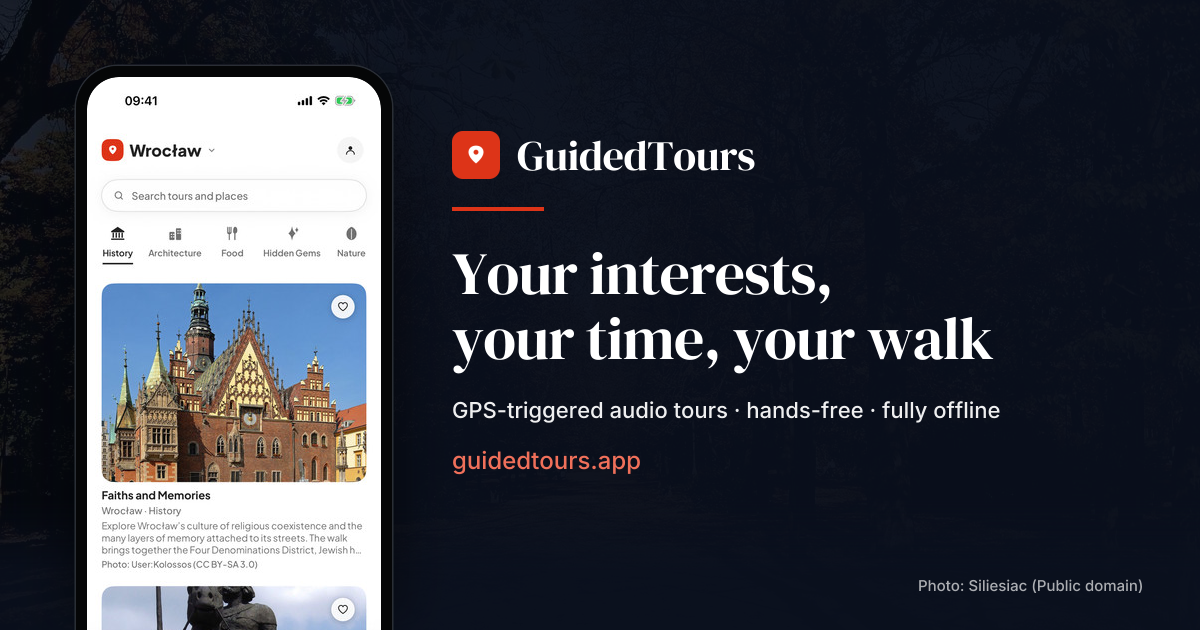
Apps like Guided Tours are built for exactly this purpose. They offer self-guided audio walking tours that are tailored to your interests, available time, and walking pace. Instead of a one-size-fits-all route, you get a walk that fits what you want to see and how much time you have. The app handles the navigation and storytelling, so you can focus on the experience.
This is where the concept of Guided Tours independent city walks comes into play. It combines the structure of a well-researched tour with the freedom of going solo. You get expert content - history, anecdotes, tips - but you control the pace and direction. You can skip a segment, repeat a favorite part, or take a detour and come back later. The walk is yours, and the app is just a companion that enriches what you see.

Tips for Making the Most of Your Walk
To get the most out of an independent city walk, a little preparation goes a long way. Here are a few practical things to keep in mind:
- Wear comfortable shoes. You will be on your feet for an hour or more, so choose footwear that can handle cobblestones, stairs, and uneven pavements.
- Check the weather. A sunny day is ideal, but a light rain can add atmosphere if you are dressed for it. Carry a small umbrella just in case.
- Bring a phone with good battery life. You will use it for navigation, audio, and photos. A portable charger can save the day if you are out for hours.
- Stay hydrated and carry a snack. Walking builds an appetite, and you do not want to cut your walk short because you are hungry or thirsty.
- Keep an open mind. The best moments often come from the unplanned: a street musician, a hidden courtyard, a conversation with a shopkeeper. Let yourself be distracted.
What to Watch Out For
Independent city walks are not without challenges. You might get lost, especially in a city with winding streets and unclear signs. That is okay - getting lost can lead to the best discoveries. But if you prefer to stay on track, download an offline map or screenshot the route before you start. Another common issue is fatigue. It is easy to overestimate how much ground you can cover, especially in a hilly city or on a hot day. Build in rest stops: a bench, a cafe, a quiet plaza where you can sit for a few minutes.
Safety is also worth considering. Stick to well-populated areas during the day, and if you are walking after dark, choose routes that are well-lit and familiar. Trust your instincts; if a street feels empty or uncomfortable, turn around and take another path. Independent walks are about freedom, but that freedom includes the choice to change your plan.
Why This Approach Works for All Kinds of Travelers
Independent city walks appeal to a wide range of travelers. Solo travelers love the autonomy and the chance to move at their own rhythm without feeling self-conscious. Couples and friends enjoy the flexibility to decide together where to go next. Even families with children can benefit, because you can adjust the pace to match a child's attention span or need for a break.
The key is that these walks turn sightseeing into an active, personal experience. You are not just checking off landmarks; you are building a mental map of the city, discovering its rhythms, and making choices that shape your day. That sense of agency makes the trip more memorable and more rewarding.

Bringing It All Together
If you are planning a trip and want to see a city on your own terms, consider structuring your days around independent city walks. Start with a rough idea of what you want to see, use an audio guide to add depth, and leave plenty of room for spontaneity. The Guided Tours independent city walks approach gives you a framework without taking away your freedom. You get context and stories, but you stay in control.
In the end, the best travel experiences are the ones that feel like yours. Independent city walks let you craft that experience for yourself, one street at a time. Whether you are a first-time visitor or a seasoned traveler, there is always something new to discover when you are the one holding the map.
Guided Tours on social media
 Twitter
 Facebook
 Instagram
 YouTube
❧